
What It Is
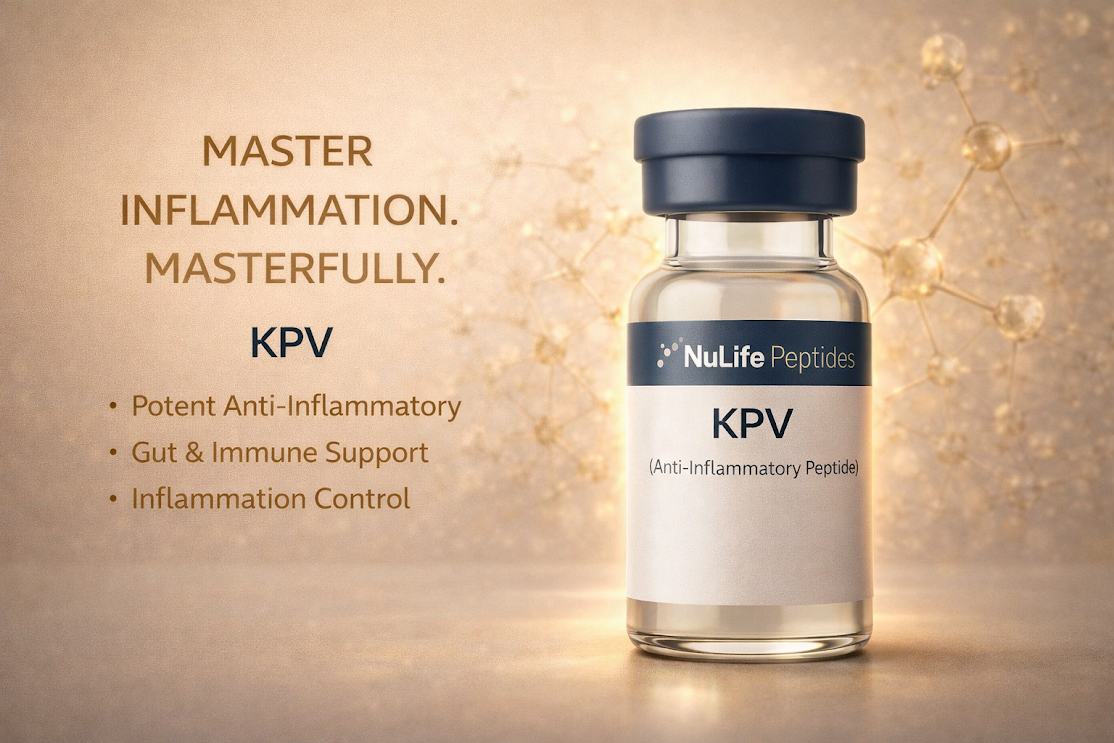
KPV is a short peptide fragment derived from alpha-melanocyte-
α-MSH is a naturally occurring hormone involved in immune regulation and inflammatory balance. Researchers discovered that the small KPV fragment appears to retain many of the anti-inflammatory effects of the larger hormone while avoiding some of its hormonal signaling.
Because of this, KPV has attracted attention for its ability to help regulate inflammatory cytokines, particularly in the digestive system and skin.
Rather than forcing immune suppression, KPV appears to modulate inflammatory signaling, helping the body return to a balanced immune state.
Key Benefits
Anti-Inflammatory Signaling
KPV is primarily known for its effects on inflammatory pathways.
Potential benefits include:
• reduction of inflammatory cytokines
• modulation of immune response signaling
• decreased tissue irritation and swelling
• support for inflammatory balance
This makes it one of the more interesting peptides for chronic inflammatory conditions.
Gut Health Support
KPV has been studied for potential benefits related to intestinal inflammation.
Possible effects include:
• improved gut lining integrity
• reduction in intestinal inflammation
• support for digestive tract recovery
Because the peptide interacts with inflammatory pathways, it may help calm irritation in the gastrointestinal system.
Skin Inflammation Support
Topical use of KPV is sometimes explored for inflammatory skin conditions.
Potential applications include:
• irritated or inflamed skin
• redness and inflammatory responses
• recovery following dermatologic procedures
Immune System Regulation
Unlike compounds that suppress immune activity broadly, KPV appears to influence specific inflammatory signaling pathways.
This may help support:
• balanced immune response
• reduced chronic inflammatory signaling
• improved recovery from inflammatory stressors
Injectable Use
Injectable use is often aimed at systemic inflammation modulation, especially when digestive or immune signaling is involved.
Reconstitution Example (2.5 mL Standard)
Example vial: 10 mg KPV
Add 2.5 mL bacteriostatic water
Resulting concentration:
10 mg ÷ 2.5 mL = 4 mg per mL
Using a standard insulin syringe:
100 units = 1 mL
Approximate dosing conversions:
100 mcg ≈ 2.5 units
250 mcg ≈ 6 units
500 mcg ≈ 12.5 units
Typical Injectable Dosing Strategy
Common ranges used in peptide protocols:
100–500 mcg per dose
Often used:
• once daily
or
• twice daily during active inflammatory phases
Because KPV works through signaling pathways, moderate consistent dosing is usually preferred over aggressive dosing.
Injection Timing
Morning
Often used to help regulate daytime inflammatory signaling.
Evening
May complement nighttime immune regulation and recovery.
Timing is generally flexible.
Injection Frequency
Typical patterns include:
• daily injections
• twice-daily dosing during active inflammation
• cycles lasting 4–8 weeks
Some individuals use longer protocols when addressing chronic inflammatory patterns.
Topical Use
KPV can also be used topically, particularly for inflammatory skin conditions.
Potential topical uses include:
• inflammatory skin irritation
• redness or sensitivity
• post-procedure skin recovery
Topical peptides act locally on the skin and may help regulate inflammatory signaling in the dermis.
Topical applications are typically used:
• once or twice daily
• applied to clean skin
• before heavier creams or oils
Best Peptide Stacks
KPV + BPC-157
This combination addresses both inflammation and tissue repair.
KPV
→ inflammatory pathway modulation
BPC-157
→ connective tissue repair and healing support
Together they are often used for gut inflammation and injury recovery.
KPV + GHK-Cu
Useful when inflammation is affecting skin or soft tissue health.
KPV calms inflammatory signaling while GHK-Cu supports collagen and tissue regeneration.
KPV + TB-500
When inflammation is interfering with healing.
TB-500 promotes systemic repair while KPV helps control inflammatory pathways that might slow recovery.
Support Supplements
Reducing inflammation also requires nutritional support.
Useful additions include:
Omega-3 fatty acids
Help regulate inflammatory signaling.
Curcumin
Supports anti-inflammatory pathways.
Magnesium
Supports nervous system and immune balance.
Probiotics
Support gut microbiome balance.
Expected Timeline
Inflammation modulation can occur relatively quickly.
Typical observations include:
3–7 days
Reduced irritation or inflammatory symptoms.
2–4 weeks
Improved inflammatory balance and recovery.
Longer use may be required for chronic inflammatory conditions.
Ideal Use Cases
• digestive inflammation support
• gut lining irritation
• inflammatory skin conditions
• chronic inflammatory signaling
• recovery when inflammation is delaying healing

Cautions
Although KPV is derived from a naturally occurring hormone fragment, research in humans remains limited.
Use should remain thoughtful and conservative.
As with all peptides influencing immune signaling, lifestyle factors such as diet, sleep, microbiome health, and stress